Brown butter: how to make it and 7 ways to use it

Brown butter is one of the easiest ways to turn an ordinary meal into something special. When you heat butter in a pan a little longer than it takes to melt, its milk proteins brown and the butter takes on a warm, nutty flavour. In French cooking it is called beurre noisette, or hazelnut butter.
In this guide we explain what happens to butter as it browns, how to brown it successfully, how to tell when it is ready and how to use it in cooking and baking. Finally, we cover storage and the most common mistakes.
What happens when butter browns?
Butter is mostly fat, but it also contains water and a small amount of milk solids. Under EU rules, butter contains at least 80 percent milk fat and no more than 16 percent water. As butter heats, the water boils off first, which is why it bubbles and crackles. Only once the water has evaporated can the fat get hot enough for the milk proteins and milk sugar to start browning on the bottom of the pan.
Browning creates the same toasty, caramel like flavours as toasting bread or searing meat. That is why even a small amount of brown butter tastes far more than plain melted butter.
How to brown butter
Choose a light coloured saucepan or frying pan so you can see the colour change. On a dark pan it is hard to tell when the butter turns brown, and it can burn without you noticing. Cut the butter into even pieces so it melts evenly.
Melt the butter over medium heat, stirring with a spatula. First the butter melts, then it starts to bubble as the water evaporates. It can spit at this stage, so keep your distance. When the bubbling quietens, foam rises to the surface and small brown specks start to form on the bottom. Keep scraping the bottom and sides so the specks brown evenly and do not stick.
When the butter smells nutty and the specks are hazelnut brown, take the pan off the heat straight away and pour the butter into a cold bowl. A hot pan keeps cooking for a moment, and golden brown butter can turn black within seconds. Two hundred grams of butter usually browns in five to ten minutes, depending on your hob.
How to tell when brown butter is ready
Ready brown butter is golden brown with nut brown specks on the bottom. It smells warm and nutty. Keep the specks, as they hold most of the flavour. If the specks are black and the butter smells bitter or smoky, it has burnt. In that case it is best to start again, because a burnt taste does not go away.
7 ways to use brown butter
As a sauce for fish: brown butter, lemon juice and capers spooned over pan fried fish.
With gnocchi and pasta: crisp sage leaves in the butter and parmesan on top.
To finish squash soup: a spoonful of brown butter and toasted seeds.
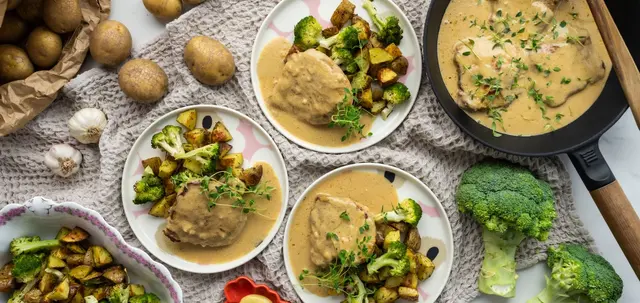
Over roasted vegetables: broccoli, carrots and root vegetables take on a nutty flavour.
In mashed potatoes: browning part of the butter gives the mash more depth.
In baking: cookies, muffins and buns gain a toffee like note.
On porridge or popcorn: a small amount flavours a whole serving.
Brown butter with fish
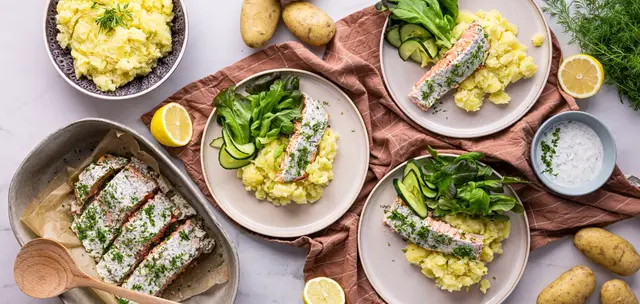
Fish and brown butter are a classic pairing. Pan fry the fish, lift it onto a plate and brown the butter in the same pan. Finish with lemon juice and capers and pour the sauce over the fish. The same idea is behind pike perch in a lemony caper butter sauce. To keep fish juicy, check the right temperatures in our guide to white fish internal temperature.
With pasta, gnocchi and squash
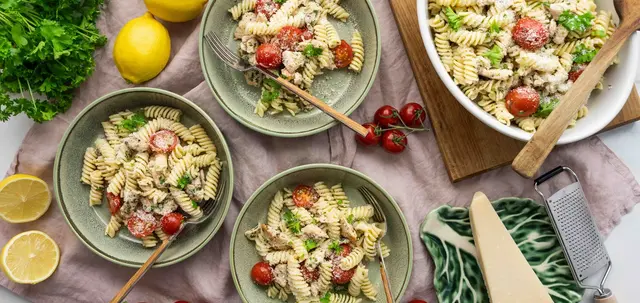
Brown butter and sage is a well known Italian combination. Add sage leaves to the butter when it starts to foam, and they crisp up just as the butter browns. Toss in cooked gnocchi or pasta and grate parmesan on top. For a weeknight, try gnocchi with chorizo and cherry tomatoes and finish it with a spoonful of brown butter.
In autumn, brown butter brings out the sweetness of squash. Drizzle it over roasted butternut squash or squash soup. You will find more ideas in our guide to squash types.
Brown butter in baking
In baking, brown butter gives cookies, muffins and buns a toffee like flavour. Remember, though, that water evaporates as butter browns, so it loses roughly 15 percent of its weight or a little more. If you need 100 grams of brown butter, start with about 120 grams of butter. When you swap regular butter for brown butter in a recipe not written for it, add about a tablespoon of water or milk for every 100 grams of butter.
If a recipe calls for softened butter, chill the brown butter in the fridge first and then let it soften at room temperature. Hot brown butter melts the sugar and makes the dough runny. We cover baking chemistry and raising agents in more detail in our article on baking soda vs baking powder.
How long does brown butter keep?
You can make brown butter in advance. Pour the cooled butter, specks and all, into an airtight glass jar and keep it in the fridge. It keeps well for about two weeks, and the set butter is easy to scoop with a spoon. It keeps longer in the freezer. When you need it, melt the amount you want over low heat.
Common mistakes
The most common mistake is heat that is too high. The butter browns quickly, but the specks burn before the flavour has time to develop. Another common mistake is leaving the butter in the pan once it is ready. Always pour it into another container straight away. A dark pan, too much butter at once and not stirring also lead to uneven results.
Brown butter is a simple technique that suits almost anything that benefits from a nutty, rich flavour. If you would like to try other easy sauces for everyday cooking, browse our sauce recipes.
Nutty butter, ready recipes
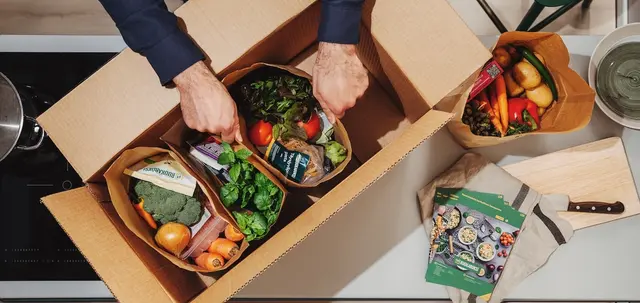
Our boxes bring pre-measured ingredients and step by step recipes to your door, so you can try new techniques like brown butter on an ordinary weeknight.