Salad dressing basics: the right ratio and 4 easy dressings

A good dressing turns a simple green salad into the highlight of the meal. Buying a ready-made dressing is easy, but you can mix your own in two minutes from ingredients most kitchens already have: oil, vinegar or lemon, mustard, salt and pepper. You also get to decide how much salt and sugar goes into it.
In this guide we cover the basic salad dressing ratio, explain why mustard helps a dressing hold together, share four easy base recipes and give tips for storing dressing.
The basic ratio: three parts oil, one part acid
The rule of thumb for a classic vinaigrette, an oil and vinegar dressing, is three parts oil to one part vinegar or lemon juice. Three tablespoons of oil and one tablespoon of vinegar, for example, is enough for a large salad bowl for two or three people. If you prefer a fresher, sharper taste, try a ratio of two to one. Vinegars vary in acidity, so always taste before pouring the dressing over the salad.
The order matters. Stir the salt into the vinegar or lemon juice first, because salt dissolves in acid but not in oil. Then add the mustard and any honey, and the oil last. That way the flavour spreads evenly and no salt crystals are left at the bottom of the bowl.
Why does mustard hold a dressing together?
Oil and vinegar do not mix naturally and separate into layers after a short while. Mustard works as an emulsifier: the hulls of mustard seeds contain slimy carbohydrates that settle where the oil droplets meet the liquid and keep the mixture together for longer. Garlic and honey have a similar, weaker effect.
For the thickest dressing, whisk the mustard and acid together first, then add the oil in a thin stream while whisking constantly. If you are in a hurry, put everything in a glass jar with a lid and shake hard. The jar doubles as a storage container.
Four easy salad dressings
1. Classic vinaigrette
Mix 1 tbsp red or white wine vinegar, 1 tsp Dijon mustard and a pinch of salt. Whisk in 3 tbsp oil and season with black pepper. This versatile base dressing suits green salad, tomatoes and boiled potatoes.
2. Lemon and honey vinaigrette
Mix 1 tbsp lemon juice, 1 tsp honey, 1 tsp mustard, salt and a little grated lemon zest. Whisk in 3 tbsp olive or rapeseed oil. This fresh, slightly sweet dressing works especially well with grains, pulses and roasted vegetables, as in our warm buckwheat salad with smoked salmon and dill vinaigrette.
3. Yoghurt and herb dressing
Mix 1 dl Greek yoghurt, 1 tbsp lemon juice, 1 tbsp oil, a handful of chopped dill or parsley, salt and pepper. This creamy dressing suits slaws, chicken and fish. Add grated cucumber and garlic and you are close to the Greek yoghurt sauce in our guide to tzatziki.
Salad dressing: quick checklist
The basic ratio is 3 parts oil to 1 part vinegar or lemon juice. If you like a sharper taste, try 2:1.
Dissolve the salt in the vinegar or lemon juice first, because salt does not dissolve in oil.
A teaspoon of mustard helps the oil and acid stay together, and honey adds softness.
Add the oil in a thin stream while whisking, or shake everything in a jar with a lid.
Dry the salad leaves well, because an oily dressing will not cling to a wet surface.
Toss leafy salads with the dressing just before serving so the leaves stay crisp.
Keep dressing in the fridge in a jar with a lid. Dressings with fresh garlic, herbs or yoghurt are best used within a few days.
4. Quick Caesar dressing
Mix 3 tbsp mayonnaise, 1 tbsp lemon juice, 1 tsp Dijon mustard, a small crushed garlic clove and 2 tbsp grated Parmesan. Thin with a splash of water if needed. A traditional Caesar dressing is made with raw egg yolk, but mayonnaise is quicker and a safer choice when young children, pregnant people or older adults are at the table. Try it with our Caesar salad with chicken and bacon.
How to dress a salad
Leafy salad wilts quickly because salt and acid draw moisture out of the leaves, so toss leafy salads with the dressing just before serving. Dry washed leaves well in a salad spinner or with kitchen paper, because an oily dressing will not cling to a wet surface and water at the bottom of the bowl dilutes the flavour.
Start with a small amount, toss the salad carefully and add more dressing if needed. The leaves should be lightly glossy, not swimming. Sturdier ingredients such as boiled potatoes, lentils, pasta and roasted root vegetables hold up to dressing for longer and even benefit from a little time to soak up the flavour. Warm potatoes absorb a vinaigrette particularly well.
How long does homemade salad dressing keep?
A vinaigrette made only from oil, vinegar, mustard and seasoning keeps for about a week in a tightly closed jar in the fridge. If the dressing contains fresh garlic, onion, herbs or yoghurt, use it within a few days. Fresh garlic in oil does not belong at room temperature, so always keep dressings cold.
Olive oil can solidify and turn cloudy in the fridge. That is fine: leave the jar on the counter for about ten minutes and shake before use. If a dressing smells or looks odd, throw it away. For more storage times for sauces and other foods, see our guide on how long food keeps in the fridge.
Play with flavours
Once you know the basic ratio, it is easy to vary the flavours. Swap the vinegar for cider vinegar, balsamic or lime juice. Rapeseed oil is mild and affordable, olive oil adds fruitiness and a small amount of sesame oil gives an Asian note. Honey or maple syrup brings sweetness, while soy sauce, finely chopped shallot or herbs add depth.
A good rule of thumb is to change one thing at a time and taste, ideally with a salad leaf dipped in the dressing. For everyday salad inspiration, browse our salad recipes.
Fresh salads without the planning
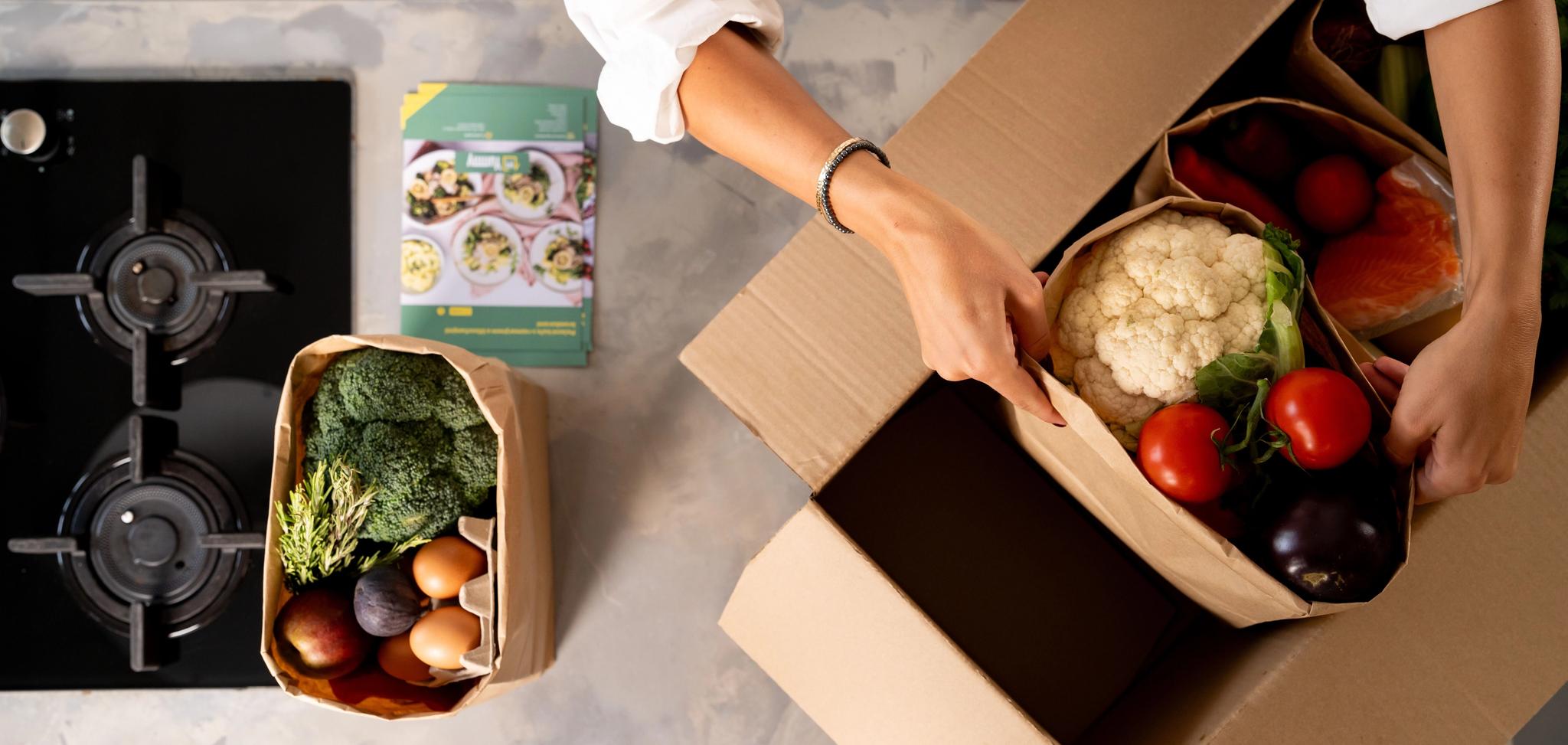
Yummy box brings every ingredient for fresh salads and dressings in the right amounts, with clear step-by-step recipes. All you need to do is mix, taste and enjoy.