The plate model in practice: how to build a balanced meal

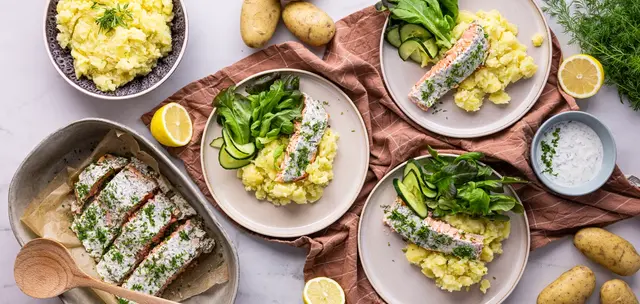
The plate model is the simplest way to check whether a meal is balanced. It needs no scales and no counting, just one look at the plate: are there enough vegetables, is the side dish reasonable, and is there protein on the plate.
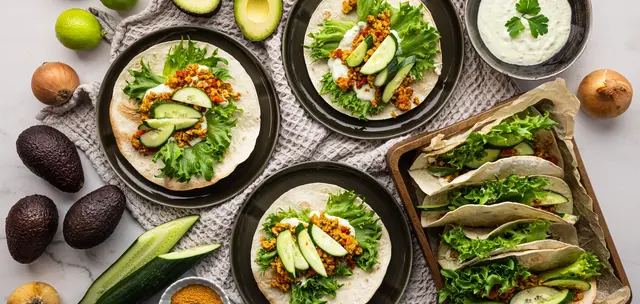
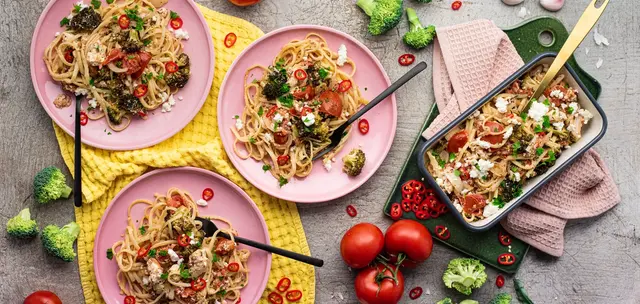
Nutrition recommendations describe the plate in three parts. Half of the plate is vegetables, about a quarter is potatoes, wholegrain pasta, barley or another wholegrain side, and the last quarter is fish, legumes, seeds, meat or eggs. The meal also includes wholegrain bread with a soft plant based spread, water, low fat milk or soured milk to drink, and berries or fruit for dessert.
Why half the plate is vegetables
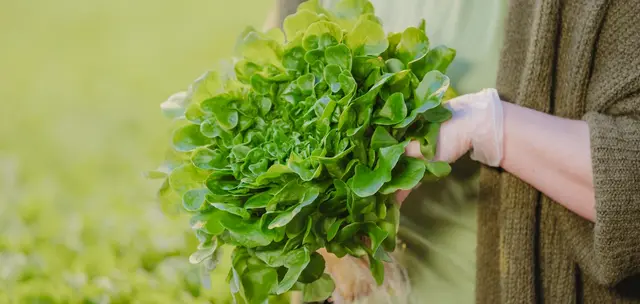
Vegetables bring fibre, vitamins and minerals, and they fill you up with less energy. The recommendation is 500 to 800 grams of vegetables, fruit and berries a day, which is roughly five to nine portions. Potatoes are not counted in that amount, because on the plate they play the role of the side dish.
When vegetables make up half the plate at every warm meal, the daily amount fills itself almost automatically. Besides salad, use warm vegetables too: roasted root vegetables, courgette browned in the pan or steamed broccoli often disappear more easily than a third bowl of grated salad.
The side dish and the protein on one plate
The quarter reserved for the side dish is the part that grows too big on ordinary days. Pasta and rice tend to be cooked generously, and the vegetables end up as decoration. Try reversing the order: serve the vegetables first, then the protein, and only then the side dish in the space that is left.
The protein quarter can be fish, chicken, legumes or eggs, and it is worth varying through the week. A good example of a portion that follows the plate model is Pan-fried chicken fillet with baked beets and honey-mustard sauce, where the vegetables, the side and the chicken are already in the same proportion.
Six ways to use the plate model in everyday cooking
Put the vegetables on the plate first, so half of it fills up before the other parts take the space.
Alongside salad, serve a warm vegetable side too, for example roasted root vegetables or steamed broccoli.
Choose wholegrain sides: wholegrain pasta, pearl barley or brown rice alongside potatoes.
Vary the protein through the week between fish, chicken, legumes and eggs.
If the plate feels light, add wholegrain bread with a soft plant based spread.
Drink water, low fat milk or soured milk with the meal, and keep berries or fruit for dessert.
The plate model with vegetarian meals and soups
In a vegetarian meal the protein quarter comes from legumes, seeds, nuts, tofu or eggs. A lentil soup or a chickpea stew fits the model well when it is served with wholegrain bread and something fresh.
Soups, stews and stir fries do not divide into three parts on the plate, and then the model works in the pot instead. Think about what the pot holds: is roughly half of the volume vegetables, does the protein have its own share, and is the side, rice or potatoes for instance, reasonable. That check is enough.
For children and for active people
The same division works on a child's plate, but the portion is smaller and snacks make up a larger part of the day. Someone who moves a lot needs more energy, and the addition is best made to the side dish and the protein rather than by cutting vegetables.
The plate model is not a rule that has to be met at every meal. It is a quick checklist that makes everyday food more balanced without separate planning, and one festive meal does not change the whole.
A balanced meal already planned for you
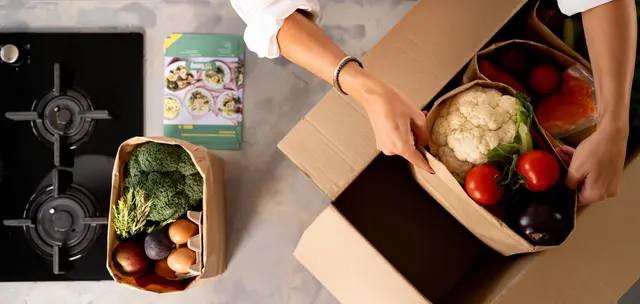
In Yummy recipes the vegetables, side and protein are already in balance, and the ingredients arrive at your door in the right amounts, so you do not have to think about the plate model separately.