How to store avocados: ripen them right and stop them turning brown

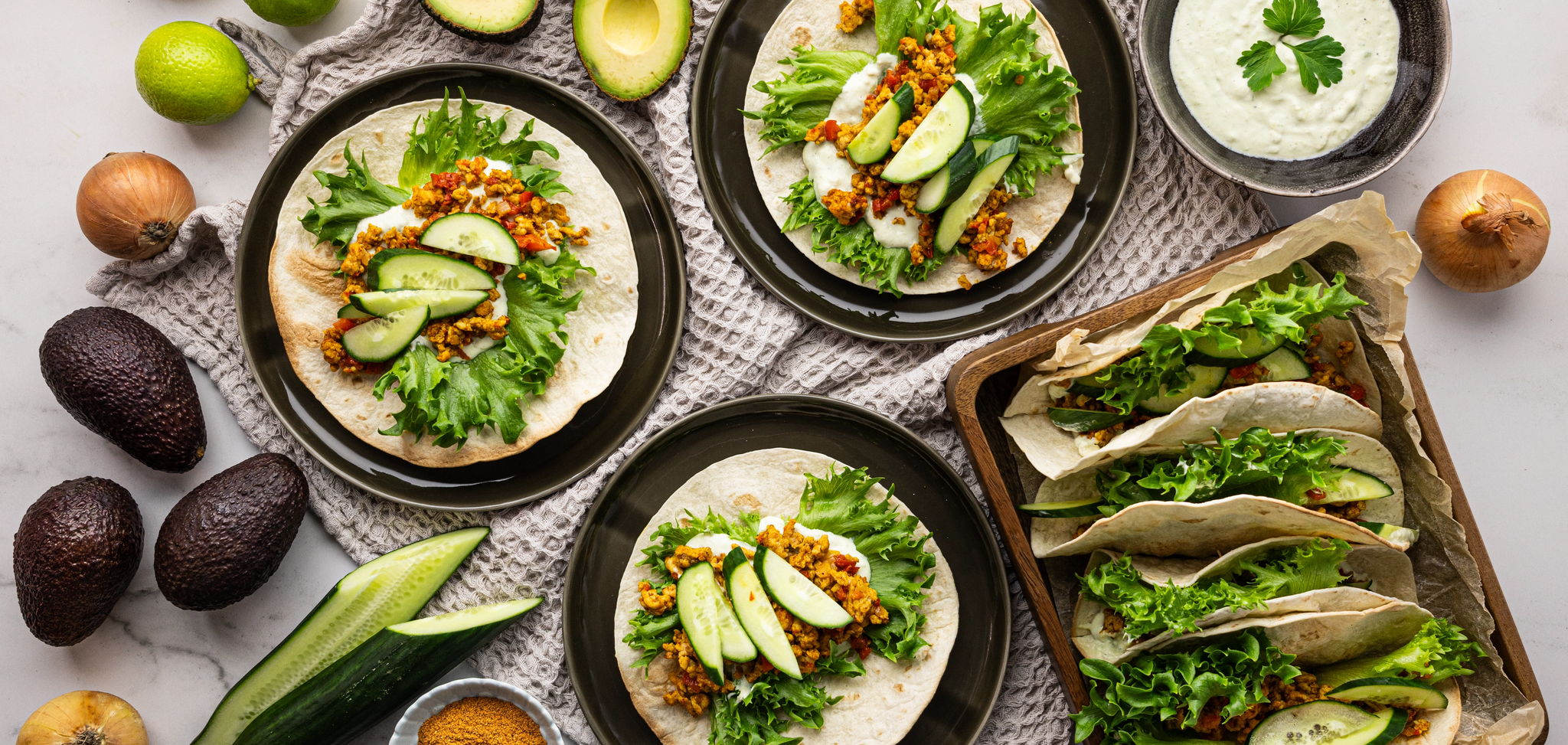
Avocado is an everyday dinner hero: it makes pasta sauce creamy, adds freshness to tortillas and tastes great on bread all on its own. The tricky part is timing. Avocados from the shop are often rock hard, and once they finally ripen they need eating straight away. A cut half, meanwhile, turns brown in the fridge before you have found a use for it.
The good news is that you can steer ripening quite precisely. Once you know where a hard avocado ripens, when it belongs in the fridge and how to keep a cut half green, your avocado will be ready exactly when you need it. A good example of a weeknight dish where a ripe avocado shines is our avocado pasta with cherry tomatoes and Parmesan.
How to ripen a hard avocado
Avocados do not ripen on the tree but only after they have been picked. That is why shop avocados are so often hard. Let a hard avocado ripen at room temperature, for example on the kitchen counter out of direct sunlight. It usually softens within a few days, but the time depends on how unripe it was when you bought it.
To speed things up, put the avocado in a paper bag with a banana or an apple. They release ethylene, a plant hormone that accelerates ripening, and the bag keeps the gas around the fruit. Check the avocado every day, because in the bag it can ripen surprisingly fast.
Do not put a hard avocado in the fridge. The cold slows ripening so much that an unripe avocado can stay rubbery and never soften properly, even if you move it back to room temperature later.
How to tell when an avocado is ripe
The best test is a gentle squeeze. Hold the avocado in your palm and press carefully with your whole hand rather than your fingertips, so you do not bruise it. A ripe avocado gives slightly. If it is hard, give it more time. If your finger sinks in easily or the skin feels loose, it is overripe and best used for guacamole or a sauce.
Hass avocado skin darkens from green to almost black as it ripens, but colour alone does not tell the whole story, so always feel it too. Another clue is the stem end: if you flick off the small stem nub, a green patch underneath usually means the avocado is ready, while a brown one suggests it has gone too far.
Avocado storage at a glance
Hard avocado: let it ripen at room temperature and keep it out of the fridge.
Faster ripening: put it in a paper bag with a banana or apple and check daily.
A ripe avocado gives slightly when you press it gently with your palm.
Ripe whole avocado: into the fridge, where it keeps for several days.
Cut half: lemon juice on the surface, cling film pressed onto the flesh, then into the fridge.
Use a cut avocado within a couple of days. A browned top layer is harmless and can be scraped off.
Freezing: mash or dice, add lemon juice and use thawed in sauces and smoothies.
Once the avocado is ripe, move it to the fridge. The cold slows ripening, and a whole ripe avocado stays good for several days longer than on the counter. That way you can buy avocados in one go and let them ripen in stages: ripe ones straight into the fridge, the rest on the counter to wait their turn.
Why do avocados turn brown?
Avocado flesh contains an enzyme that reacts with oxygen in the air and turns the surface brown. The reaction starts as soon as the avocado is cut, and the riper the fruit, the faster it browns. A browned surface does not look appetising, but it is harmless: scrape off a thin layer and you will find green flesh underneath. If the avocado is mouldy, smells bad or is greyish brown all the way through, throw it away.
How to store a cut avocado
The key is to keep oxygen away from the flesh. Squeeze lemon or lime juice over the cut surface, because the acid slows browning. Then cover the half with cling film so that the film touches the flesh everywhere, and put it in the fridge. Instead of cling film you can brush the surface with a thin layer of oil or keep the half in an airtight container.
A popular tip is to leave the stone in. It only protects the area it touches, though, so cling film and lemon juice work far better. Use a cut avocado within a couple of days, and sooner the riper it was. The same principle applies to guacamole: press cling film directly onto the surface and keep it cold. Read more in our guide to how long food keeps in the fridge.
Can you freeze avocado?
Yes, and freezing is a good way to rescue avocados that all ripened at once. Peel them, remove the stone, dice or mash the flesh and stir in lemon or lime juice to keep the colour. Pack the avocado flat in a freezer bag and press out the air. For the best quality, use it within about a month. You will find more tips on packing and thawing in our guide to freezing and thawing food.
Thawed avocado is softer than fresh, so it is not suited to slices on a salad. It works brilliantly in guacamole, avocado sauces, pasta sauce and smoothies, though. Thaw it in the fridge.
Avocado in everyday cooking
A ripe avocado is incredibly versatile. Blended, it makes a creamy pasta sauce without any cream, and an avocado sauce or dip with lime goes well with warm dishes too, for example our Mexican bean stew with rice and avocado sauce. You will find more ideas in our avocado recipes.
When you plan the week's meals ahead and buy avocados at different stages of ripeness, each one gets used at the right time. The same principles help with other ingredients too; see our tips for reducing food waste at home.
Avocado without the waste
Yummy box brings fresh ingredients in the right amounts and step-by-step recipes to your door, so every avocado ends up on a plate instead of in the bin.