How to freeze food properly: packing, timing and safe thawing

The freezer is the most underrated tool in an Estonian home kitchen. It almost completely stops food from spoiling, so half a courgette, leftover pasta sauce or discounted chicken never has to end up in the bin. Freezing only works when the packing, the temperature and the thawing are right.
A home freezer should sit at around minus 18 degrees. At that temperature microbes do not multiply, but quality still declines slowly, so frozen food does not stay good forever. Label every bag with the contents and the date, and rotate the freezer regularly.
Pack tightly and flat
Air is the biggest enemy in a freezer. Press the air out of the bag before sealing it, fill boxes almost to the rim and wrap large pieces tightly. A bag pressed flat freezes faster, thaws faster and takes a fraction of the shelf space.
Divide food into portions before freezing. A single dinner sized batch thaws in a sensible time on a weeknight, and you avoid defrosting two litres of soup when everyone is already hungry.
What freezes well and what does not
Cooked pasta, rice, soups, sauces, bread, berries, grated cheese and cooked meat all freeze well. Mashed potato survives freezing best when it contains some fat, and it is worth reheating it while stirring and adding a splash of liquid.
Watery vegetables such as courgette and carrot turn soft once thawed, so they suit soups, stews and bakes rather than salads. Colour and texture hold up better if the vegetables are blanched for about three minutes and cooled immediately in cold water.
Poor candidates are high water fresh ingredients on their own: lettuce, cucumber, tomato wedges, whole boiled eggs and creamy sauces that easily split. Use those fresh, or cook them into a finished dish first.
A freezer checklist
Freezer burn ruins flavour, not safety
Freezer burn happens when air reaches the surface of frozen food and dries it out. You recognise it from dry pale patches and ice crystals. Freezer burned food is not a health risk, but it tastes stale and feels leathery, so prevention is the only real cure.
Tight packaging, fast freezing and a steady temperature keep freezer burn away. Avoid leaving the freezer door open, do not fill the freezer with a large batch of warm food at once, and use frozen food within a reasonable time.
Thaw safely
The safest way to thaw is in the fridge, where food stays cold throughout. At room temperature the surface warms up for too long while the middle is still frozen. In a hurry, the microwave defrost setting or cold water in a sealed bag work, but then the food has to be cooked straight away.
Raw food that has thawed once should not be refrozen as it is. You can, however, cook thawed raw meat or fish thoroughly and freeze the finished dish.
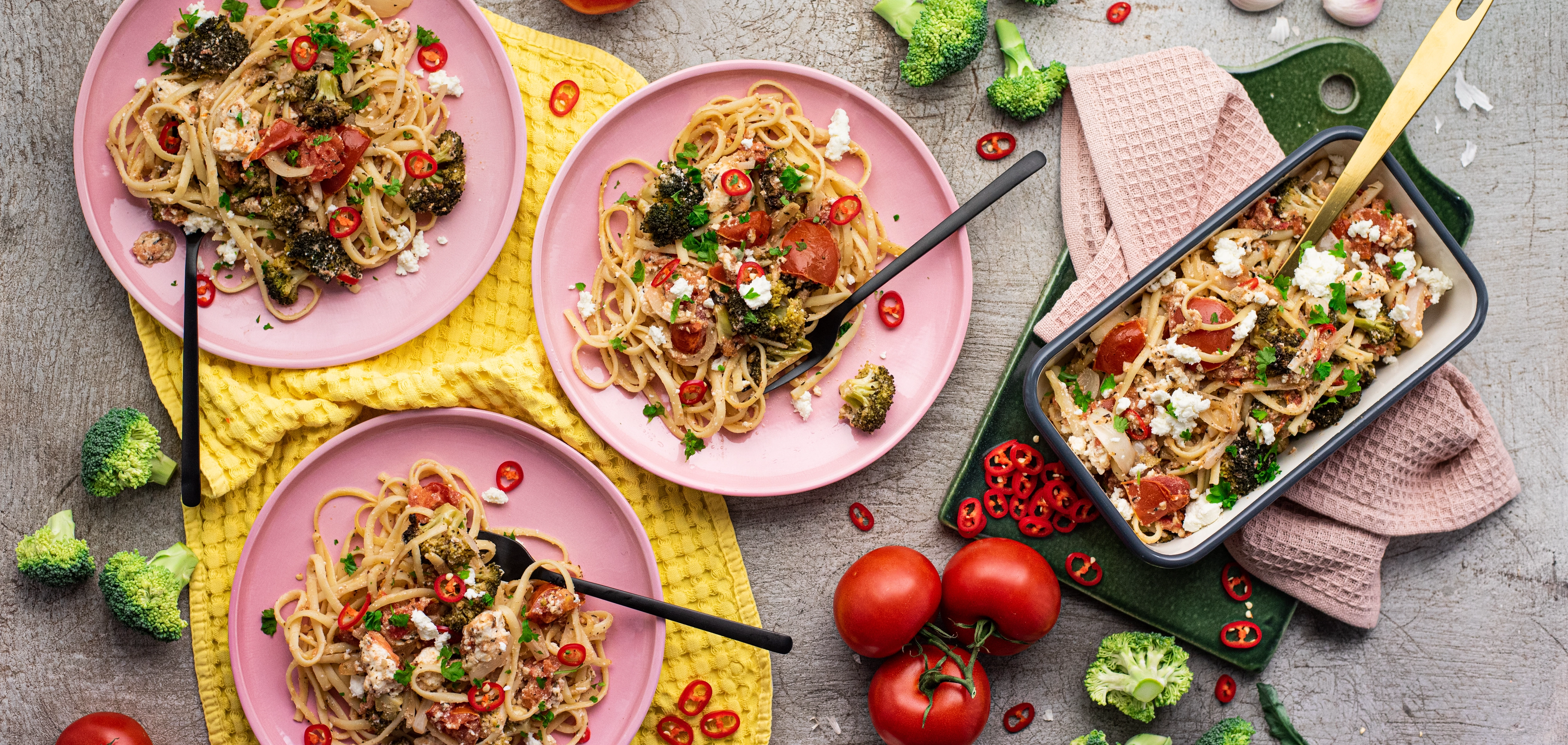
A freezer works best when the week's meals are planned in advance. For example oven roasted pesto chicken with vegetables, which is easy to double so you can freeze a second batch for a later evening.
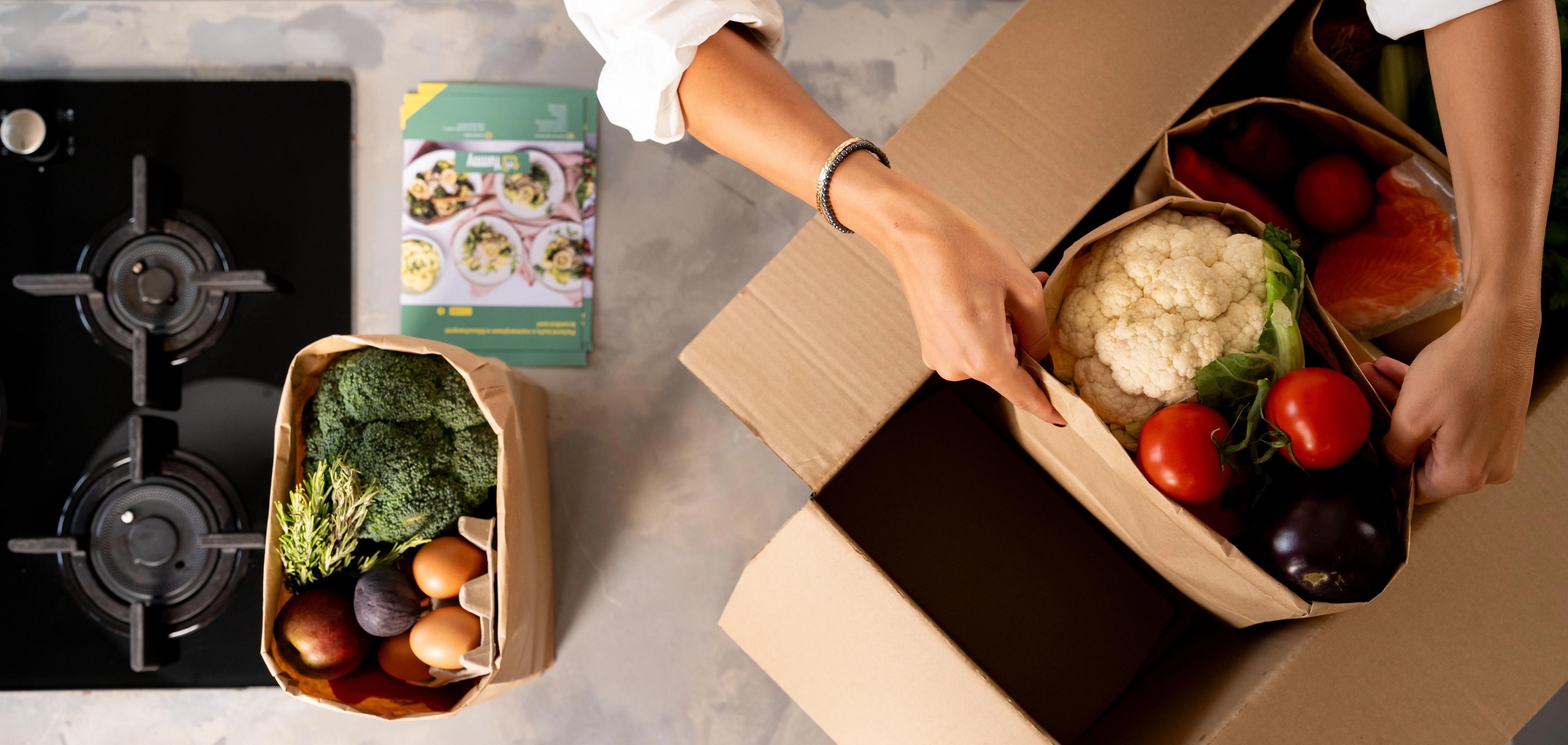
When ingredients arrive pre measured, less is left over and the freezer fills with planned portions instead of random tubs.
Less waste, more time
Yummy delivers the week's ingredients pre measured, so less is left over and your freezer only fills with what you actually want to save.