What is umami? How the fifth basic taste deepens home cooking

Have you ever tasted a slow simmered tomato sauce, a well aged Parmesan or a bowl of miso soup and wondered where that deep, rounded flavour comes from? The answer is often umami. It is the fifth basic taste alongside sweet, salty, sour and bitter, and one of the main reasons some dishes feel especially satisfying.
In this article we explain what umami is, which ingredients are richest in it and how to use it to make ordinary weeknight food taste better, without special equipment or tricky techniques.
Where does umami come from?
Umami was first identified by the Japanese chemistry professor Kikunae Ikeda in 1908. He was studying dashi, a broth made from kombu seaweed, and noticed that its taste could not be explained by the four known basic tastes. Ikeda isolated glutamate, one of the most common amino acids in food, and named the taste umami. The word combines the Japanese umai, delicious, and mi, taste.
Researchers later found two more compounds that create umami: inosinate from dried bonito fish in 1913 and guanylate from shiitake mushrooms in 1957. Today umami is recognised as a basic taste in its own right, with dedicated taste receptors on the tongue.
What does umami taste like?
Umami is hard to describe because we rarely taste it on its own. It is often called meaty, brothy or savoury. Umami fills the mouth, lingers and makes your mouth water. Rather than pushing a dish in one direction like salt or sugar, it ties the other tastes together and makes the food feel complete.
Which ingredients contain umami?
Umami occurs naturally in many protein rich foods, such as meat, fish, shellfish, eggs and tofu. Among vegetables, the best known sources are tomatoes, mushrooms, asparagus and seaweed. Glutamate that is bound in protein has no taste, so the flavour only grows once the protein breaks down into free amino acids.
That is why ageing, drying and fermenting boost umami. Aged cheeses like Parmesan, air dried ham, sun dried tomatoes, dried mushrooms, soy sauce, miso and fish sauce are all concentrated umami. A ripe tomato also tastes fuller than an unripe one. The flavour keeps best when tomatoes ripen at room temperature; you will find more tips in our tomato storage guide.
How to add umami to everyday cooking
Fry tomato paste briefly in oil before adding liquid. The flavour concentrates and mellows.
Simmer a piece of Parmesan rind in soup or sauce and lift it out before serving.
Soak dried mushrooms and use the soaking liquid too. It holds a lot of flavour.
Stir a spoonful of miso paste or soy sauce into a soup, sauce or marinade.
Brown meat and mushrooms properly in a hot pan. A well browned surface adds depth.
Melt a couple of anchovy fillets or a dash of fish sauce into the pan. The fishiness fades, the richness stays.
Combine two umami sources, such as tomato and meat or mushrooms and cheese. Together they taste stronger.
The umami secret: two sources beat one
The most interesting thing about umami is synergy. When an ingredient with glutamate meets one with inosinate or guanylate, the taste becomes much stronger than simple addition would suggest. Japanese dashi is built on exactly this: kombu brings glutamate and bonito flakes bring inosinate.
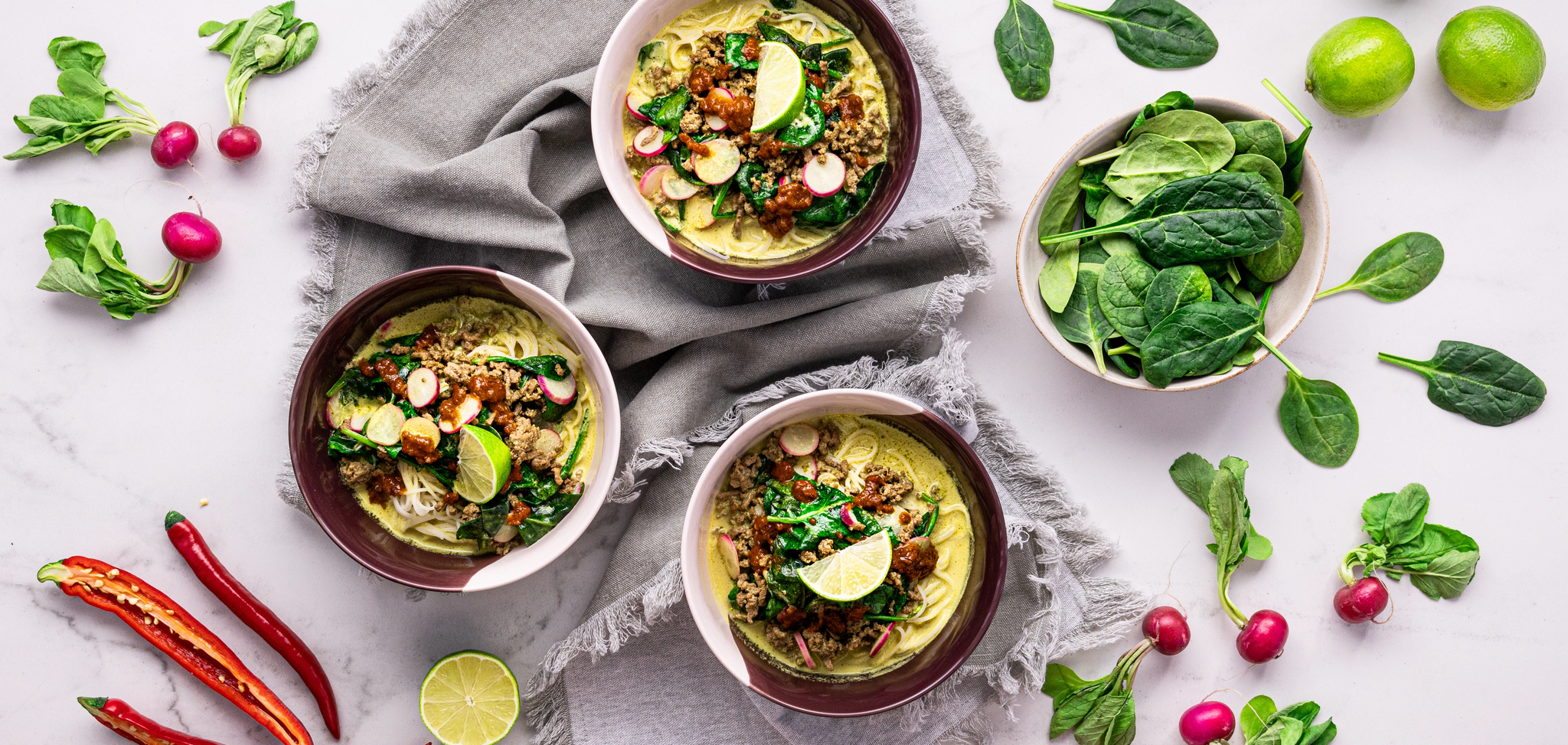
The same principle quietly works in many familiar dishes. A tomato and mince sauce, pasta with Parmesan and mushrooms, or chicken soup with dried mushrooms all pair two umami sources. An easy weeknight example is minced meat and broccoli noodles in miso sauce, where miso and soy meet browned meat.
Umami in vegetarian cooking
Umami is especially useful when you cut back on meat. A vegetarian dish can feel thin if it lacks the depth meat usually brings. Mushrooms, miso, soy sauce, tomato paste, roasted vegetables and seaweed fill that gap easily. For ideas, browse our mushroom recipes, and for more tips on eating less meat, read our guide to eating more plant based.
Umami and salt
Many umami sources, such as soy sauce, miso, fish sauce and Parmesan, are also salty. Taste the food before adding extra salt. Rich umami can help a dish taste finished with less salt. The World Health Organization recommends that adults eat less than 5 grams of salt a day.
The same glutamate found in tomatoes and cheese is also sold as a seasoning called monosodium glutamate (E 621). You do not need it for home cooking, because natural umami sources bring aroma and colour as well.
Keep umami sources within reach
With soy sauce, tomato paste, dried mushrooms and a piece of Parmesan in the cupboard, fuller flavour is never far away. Opened miso and tomato paste keep best in the fridge, while dried mushrooms and spices belong somewhere dry and dark. See also our guide to storing spices.
Full flavour without the guesswork
In Yummy recipes, miso, soy, Parmesan and mushrooms come measured in the right amounts. You cook, and the flavours are already balanced.